


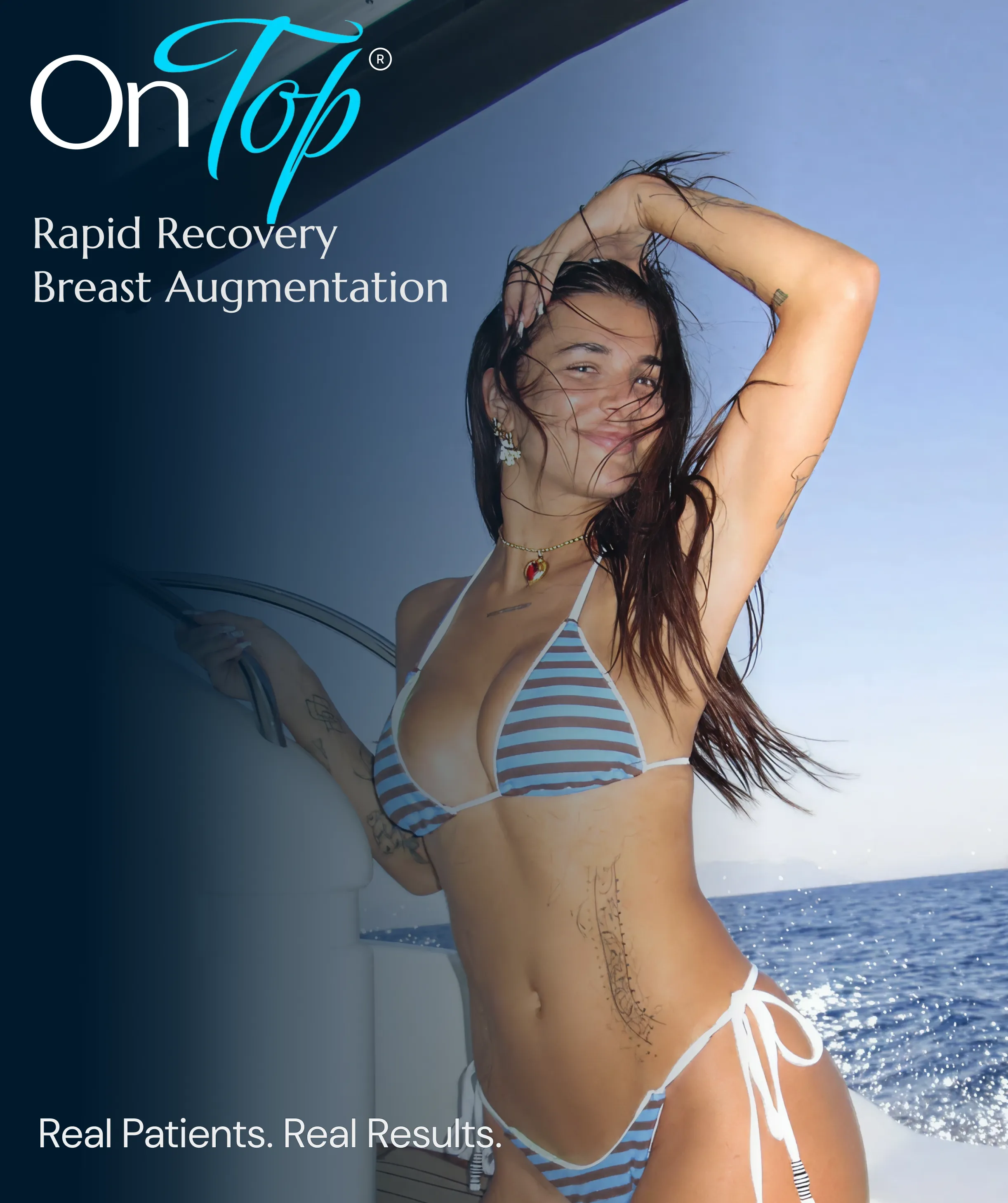
Breast Augmentation and Tummy Tuck: Combining Procedures, Cost, and Recovery
By Partington Plastic Surgery on June 10, 2026 in Breast Augmentation, Tummy Tuck

Two of the most requested cosmetic procedures – breast augmentation and tummy tuck – are also frequently requested together. Patients who want to address both the chest and abdomen in one surgical event ask a consistent set of questions: Is combining them safe? How much does it cost compared to having them separately? What does recovery from a combined procedure actually look like?
This article addresses each of those questions directly. If you want a broader overview of what each procedure involves, our Breast Augmentation and Tummy Tuck covers the fundamentals in detail. Here, we focus specifically on the decision to combine, the cost structure, and what recovery from a combined procedure entails.
Why Patients Choose to Combine These Procedures
The primary reason patients combine breast augmentation and tummy tuck is efficiency: one anesthetic event, one recovery period, one surgical fee structure instead of two. For patients who know they want both procedures, combining them eliminates the need to plan, prepare, and recover from two separate surgeries.
There are also aesthetic arguments for combining. Breast augmentation and tummy tuck together allow the surgeon to calibrate both results simultaneously – choosing breast size proportional to the new abdominal contour, for example, rather than selecting implants before the abdomen has been reshaped.
For patients who have experienced significant body changes – weight loss, post-pregnancy changes, or changes following bariatric surgery – the combination addresses multiple areas that changed together. The result tends to be a more cohesive transformation than sequential procedures can achieve.
Natural Look
Confident Beauty
24 Hour Rapid Recovery, Muscle Sparing.

Is It Safe to Combine Breast Augmentation and Tummy Tuck?
For appropriate candidates, yes – the combined procedure is performed safely at accredited surgical facilities. However, the question of safety for you specifically requires individual evaluation.
Total anesthetic time for a combined procedure is longer than for either surgery alone. Anesthesia-related risk is proportional to duration, and patients with elevated cardiovascular risk, clotting disorders, or high BMI face a different risk calculus than patients who are healthy, non-smoking, and at a stable weight.
Most board-certified plastic surgeons apply the following framework:
- BMI should generally be below 30–32 for combined procedures; higher BMI increases anesthetic and wound healing risk beyond what is typically acceptable for elective surgery
- Non-smokers are strongly preferred; smoking significantly impairs wound healing and is particularly problematic for the abdominal incision
- No significant cardiovascular, metabolic, or autoimmune conditions that would complicate anesthesia or recovery
- Stable weight for at least six months – the tummy tuck results are not durable in patients who plan to lose significant weight after surgery
Patients who are good candidates for both procedures individually, and who meet the health criteria above, are typically appropriate candidates for the combined approach.
Cost of Breast Augmentation and Tummy Tuck Combined
Combining procedures does not simply add two fees together – nor does it cut the cost in half. The actual economics look like this:
What you save by combining:
- Single anesthesia fee (rather than two)
- Single operating room fee
- Single facility fee
- Single pre- and post-operative care cycle
What remains separate:
- Surgical fee for each procedure (the surgeon’s time and skill for each)
- Implant cost
- Separately billed components of each procedure
Long-term cost perspective: Patients who choose two separate procedures incur two anesthetic events, two facility fees, and two recovery periods – including time away from work. The total financial cost of two separate procedures almost always exceeds the combined price, sometimes significantly.

Recovery from Breast Augmentation and Tummy Tuck Combined
This is where planning carefully matters most. Combining two procedures means combining two recovery demands. Patients who are not prepared for this – or who don’t have adequate support during recovery – can find the first two weeks genuinely difficult.
Days 1–3
Immediately post-surgery, patients are wearing both an abdominal compression garment and a surgical bra. Mobility is limited – getting up from lying down is significantly harder with both abdominal soreness and chest soreness, and most patients need assistance for the first several days.
One important factor at Partington Plastic Surgery: because breast augmentation is performed using the ON TOP® Rapid Recovery technique – placing implants above the muscle rather than cutting through it – the chest recovery component is substantially less painful than with the under the muscle method. Patients describe the breast component as manageable; the tummy tuck typically produces more significant discomfort in the early days due to the abdominal muscle repair involved.
Drains from the tummy tuck are typically in place for the first 1–2 weeks and require management and monitoring.
Week 1–2
Walking upright can be difficult during the first week – the tummy tuck incision creates tension that makes fully straightening up uncomfortable initially. Patients typically adopt a slightly bent-forward posture that gradually resolves over 1–2 weeks as swelling decreases and tissue relaxes.
During this period:
- Driving is not permitted
- Lifting is restricted to nothing over 5–10 lbs
- Most daily tasks require some form of assistance
- Drains are monitored and typically removed at a follow-up appointment
Sedentary workers can often return to desk work by 2–3 weeks. Physical jobs require significantly more time.
Weeks 3–6
The tummy tuck recovery pace sets the overall timeline for combined recovery. By week 3–4, most patients are walking upright comfortably and managing most daily activities independently.
- Light activity progressively resumes
- Compression garment is still worn for the abdomen
- Breast swelling continues to decrease; implants begin settling
- Upper body exercise and abdominal-engaging activities are still restricted
By week 6, most patients have clearance for low-impact cardiovascular exercise. Full return to exercise, particularly anything involving the core or chest, typically requires 6–8 weeks.
Months 2–6
Swelling in the abdomen continues to resolve for several months – the tummy tuck result takes longer to fully emerge than most patients expect. The breast implants settle into their final position during this period. Scars – both abdominal and breast – begin the maturation process that takes 12–18 months.
Planning Your Combined Procedure
The most important preparation steps:
Arrange at least 1 week of household help. You will not be able to cook, clean, lift, or manage basic household tasks independently for the first week at minimum. If you have children, arranging childcare is essential.
Plan for 2 weeks away from sedentary work. Even for desk jobs, standing, getting in and out of a car, and managing discomfort make the first two weeks impractical for most work demands.
Do not plan the surgery around a tight deadline. Combining procedures extends recovery unpredictability. Give yourself a buffer of at least 8–10 weeks before any significant event or commitment.
Achieve a stable weight before scheduling. The tummy tuck result is most durable in patients whose weight has been stable for 6+ months. If weight loss is planned, completing it before surgery produces a better long-term outcome.
BREAST AUGMENTATION GALLERY
VIEW GALLERYFrequently Asked Questions
Combined pricing varies by practice, implant type, and extent of the tummy tuck. A consultation at Partington Plastic Surgery and Laser Centerand Laser Center will include a specific quote.
Most patients are largely recovered from the major physical limitations by 6 weeks. Full resolution of swelling and scar maturation takes several months to a year. Desk work can typically resume at 2–3 weeks; physical work at 6–8 weeks.
For patients who meet the candidacy criteria for combination surgery, the overall risk is generally not significantly higher than two separate procedures, and the cumulative number of anesthetic events is actually lower. For patients at elevated baseline risk – higher BMI, smoking history, cardiovascular issues – separate procedures may be recommended to limit total anesthesia duration.
Only if you want one. These are independent procedures with different goals. Breast augmentation addresses chest volume and shape; tummy tuck addresses abdominal skin laxity and muscle separation. The decision to combine is based on whether you want both results, not on whether one requires the other.
Breastfeeding may be possible after breast augmentation depending on implant placement and incision choice. This is worth discussing specifically in your consultation if it’s relevant to your plans.
Discuss Your Plan at a Consultation
If you’re considering combining breast augmentation and tummy tuck and want a specific recommendation based on your anatomy, goals, and health profile, Marshall Partington MD FACS offers a thorough consultation that covers candidacy, procedure planning, cost, and recovery.
Schedule your consultation at Partington Plastic Surgery and Laser Center→
You can also read more about the ON TOP® Rapid Recovery Breast Augmentation technique and about the tummy tuck procedure offered at the practice.
References
- American Society of Plastic Surgeons. “Tummy Tuck (Abdominoplasty).” PlasticSurgery.org
- Alderman AK, Collins ED, Streu R, et al. “Benchmarking outcomes in plastic surgery: national complication rates for abdominoplasty and breast augmentation.” Plastic and Reconstructive Surgery. 2009;124(6):2127–2133. PubMed
- Winocour J, Gupta V, Kaoutzanis C, et al. “Venous thromboembolism in the cosmetic patient: analysis of 129,007 patients.” Aesthetic Surgery Journal. 2017;37(3):337–349. PubMed
- Coon D, Tuffaha S, Christensen J, Bonawitz SC. “Plastic surgery and smoking: a prospective analysis of incidence, compliance, and complications.” Plastic and Reconstructive Surgery. 2013;131(2):385–391. PubMed