



Choosing the Smallest Breast Implant Size for a Natural Look
By Partington Plastic Surgery on February 18, 2024 in Breast Implants

Not all breast augmentation patients want a significant change. For many women, the objective is minimal enhancement — a more natural, proportional appearance that accentuates their body shape. Selecting the smallest breast implant size preserves one’s natural look and boosts confidence.
This article explains the main difficulties, factors, and alternatives when selecting smaller breast implants. We’ll help you make an informed and empowered decision by explaining sizing and the results.
Understanding Breast Implant Sizes and Profiles
Understanding how implant sizes, forms, and profiles will affect the final outcome will help you make your own assumptions.
How Implant Size is Measured
The volume of implants is measured in cubic centimeters. Unlike lingerie brand variations in bra cup sizes, cc measurements offer a consistent approach to estimating implant size. Smaller implants range from 125cc to 250cc, depending on subtlety.
Breast Implant Profiles and Widths
An implant’s profile is that which it projects from your chest. Profiles are low, moderate, or high. Low or moderate profiles are usually perfect for individuals who want a natural appearance since they accentuate the natural contour of the chest without too strong projection.
Moreover, implant width matters! To guarantee a proportional breast enlargement and avoid them from looking out of place, implants should match the width of your chest.
What is The Smallest Breast Implant Size?
The smallest breast implants range from 125cc to 150cc, depending on manufacturer and type. Those seeking a modest increase in volume or a gentle restoration of volume — after weight loss or pregnancy – often select these sizes. Choosing a smaller implant depends on your body proportions and aesthetic aspirations. Your surgeon will evaluate your chest dimensions during a consultation to assist decide whether the smallest size breast implant would be appropriate for producing a natural and harmonic outcome.
How Do Implant CCs Translate to Bra Cup Sizes?
Understanding how cubic centimeters of implant volume convert to bra cup sizes is crucial when considering breast augmentation surgery. Although variances in chest size, breast tissue, and bra manufacturers mean there is no precise formula, a general rule indicates that an increase of 150–200cc usually correlates to roughly one cup size. For instance, 300cc implants may increase cup size by two.
Factors to Consider When Choosing a Small Implant Size
Understand how your body and preferences affect implant options and how to make the proper choice. Here are important aspects to keep in mind:
- Choosing an implant size that matches your body shape creates a balanced appearance. Those with narrow or tiny frames usually find smaller implants fitting.
- Smaller implants reduce overstretching and improve long-term results for people with thin skin or breast tissue.
- Think back on your everyday routines and interests. Smaller implants are less likely to affect high-impact sports, fitness, or other physical activities.
- People seeking minor changes may use the smallest breast implant size.
- Due to reduced strain on the surrounding tissue and skin, smaller implants last longer and are more comfortable.
- Usually including a faster recovery period and less physical adjustment following breast augmentation, a smaller implant size helps simplify care.
Smallest Breast Implant Options for a Natural Look
After choosing your preferences and goals, research implant possibilities that match your vision. Selecting the correct implant means weighing size, material, and shape to guarantee the outcomes complement your physique and intended consequence. Here’s a closer look at what you need to know:
Common CC Ranges for Subtle Enhancement
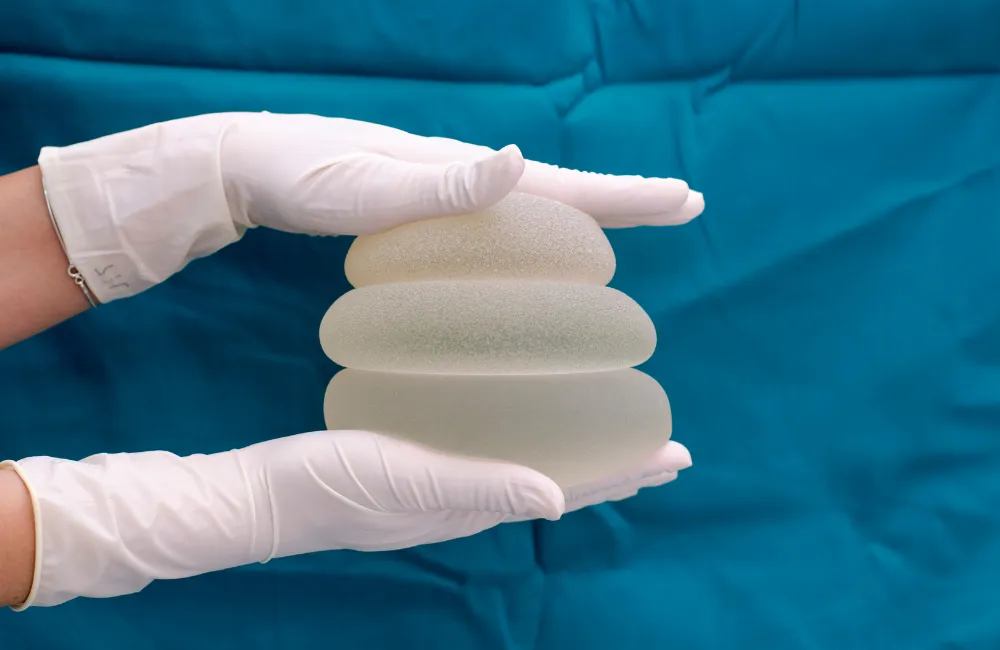
For women looking for a natural improvement without feeling too obvious, implants between 125cc and 200cc are a great beginning point. These are common breast implant sizes for people who want to shape up without drawing attention. Implants up to 250cc can still produce subdued but elegant results that preserve a natural breast size appearance for women with somewhat larger frames or those who like slightly more fullness. For ideal balance, consult your surgeon to select the size that matches your body frame. Ask what is the smallest size breast implant you can get and explore each option.
Silicone Implants
Popular for their soft, natural feel, silicone implants quite faithfully reflect the texture of natural breast tissue. Their low rippling risk makes them ideal for smaller sizes or ladies with less breast tissue to conceal the implant. Those looking for a flawless and natural outcome usually favor silicone implants.
What is the Smallest Size Silicone Breast Implant?
The smallest silicone breast implant size varies by manufacturer. Silicone implants often begin in volume at about 100cc (cubic centimeters).
Natural Look
Confident Beauty
24 Hour Rapid Recovery, Muscle Sparing.

Breast Implant Shapes (Round vs. Teardrop)
Achieving your ideal look depends much more on the form of the implant than on size and material. Each shape has advantages depending on your anatomy and preferences:
Teardrop Implants
Popular for people seeking the smallest breast implant size, teardrop implants are made to reflect the natural slope of the breast. For women seeking mild augmentation, their progressive shape is delicate and organic. Patients who give a more anatomical, low-profile shape top priority are sometimes recommended these implants.
Round Implants
Although larger breast implants are typically more obvious, smaller ones can also provide subtle, proportionate modifications. For some women who want visual balance, they can offer even fullness in the top and lower sections of the breast.
Finding the proper implant requires matching your cosmetic desires with your body’s natural traits. Closely working with a breast augmentation surgeon will enable you to make the best decision to attain results that feel especially yours. The appropriate implant will improve your shape and match your vision, giving you inner confidence.
How Does Implant Size Influence Your Final Results?
Achieving the intended aesthetic result and balancing general proportions depend much on the size of the implant. Patients seeking a radical makeover may prefer the largest breast implant size.
To guarantee a natural and comfortable fit, meanwhile, one must take anatomy into account including chest width and tissue elasticity. However, the breast implant’s smallest size can subtly increase breast shapes without straining breast tissue.
How to Visualize Your Results
Seeing how your selected implants will look marks one of the most fascinating turns in your breast augmentation path. How to clarify post-procedure results:
- Try On Sizers: Many surgeons show sizers during your consultation that let you evaluate implant sizes under your clothes. This hands-on approach helps you understand how different solutions fit your body.
- 3D Imaging Technology: Modern 3D imaging technologies can replicate on your body how different implants would look. This is useful for patients who want exact visuals before choosing sizes or forms.
- Before-and-After Photos: View before and after photos of people with similar body types who chose smaller implants. Their results can support and inspire your choice.
By exploring these tools and resources, you’ll gain clarity and confidence about what is the smallest size breast implant and how it looks on your body type.
Long-Term Considerations
While a smaller implant size can provide longer-lasting satisfaction, you’ll still want to take maintenance and peace of mind into account.
Aging with Implants
Since they put less strain on breast tissue, smaller implants age better. Reducing the danger of sagging or other changes connected with bigger implants helps preserve a more natural look and feel for years to come. Finding the optimum implant size balances aesthetics and long-term results.
Monitoring for Complications
Monitoring the state of your implants and making sure the surrounding tissue stays healthy depends on regular visits to your doctor. Although possible problems are rare, early discovery can make treating them far easier and less intrusive.
Implant Replacement
Though many implants last ten years or more, it’s crucial to keep in mind they are not lifetime devices. Aging, physical changes, and implant wear may require replacement. Aligning with your long-term aesthetic and health goals mostly depends on planning for ultimate replacements. Regular consultations with your surgeon can help establish a replacement schedule and assure the greatest results as your demands change.
Achieving Subtle Confidence with the Right Implant
Choosing the smallest breast implant size helps you to maximize your natural beauty and preserve body proportions that fit you. This option permits small, refined modifications to increase confidence while maintaining a natural look. One should take into account elements including your body type, way of life, and the range of implant possibilities. An experienced surgeon can help you consider these concerns and make a decision that matches your beauty and confidence goals.
Finding the appropriate surgeon is the most important aspect of your path toward breast implant surgery. Consult a board-certified professional to help you through the process and answer any queries.
We are here to assist you when you are ready to start down the path of gentle, natural enhancement. Schedule a consultation today to discuss your goals and explore the best options for you.
BREAST AUGMENTATION GALLERY
VIEW GALLERYFrequently Asked Questions
The smallest breast implants commercially available typically begin at around 100cc for silicone options, with a practical range of 125cc to 150cc being most frequently used when the goal is minimal, natural-feeling enhancement. These sizes are best suited for patients with petite or narrower frames who want a subtle increase in volume and projection – perhaps transitioning from an A to a small B cup – without dramatic visual change, significant projection, or an obvious augmented appearance.
A commonly cited guideline is that approximately 150 to 200cc of added volume corresponds to roughly one bra cup size increase, though this is not a precise or universal formula. The actual result depends significantly on your chest width, the amount of existing breast tissue you have, the profile (projection) of the implant selected, and the specific bra style and brand you wear. Smaller implants are designed to refine and enhance the existing breast shape rather than to dramatically reshape or significantly increase cup size.
Teardrop (anatomical) implants are shaped to mimic the natural contour of breast tissue – fuller at the lower pole and gradually tapering toward the upper chest – which can produce a particularly natural slope in patients who have minimal existing breast tissue to mask the implant. Round implants provide even, symmetrical fullness throughout both the upper and lower poles of the breast, and when selected in a conservative size and low to moderate projection profile, they can also achieve a very natural-looking outcome. Dr. Partington evaluates your existing breast shape, tissue characteristics, and aesthetic goals to determine which option best serves your individual anatomy.
Smaller implants generally exert less downward force on breast tissue and skin, reducing the long-term risk of bottoming out, premature sagging (ptosis), and tissue thinning. They tend to produce more predictable aging outcomes, are associated with shorter initial recovery periods, and typically cause less strain on the back, shoulders, and spine. For patients whose primary motivation is longevity and a naturally proportionate result rather than dramatic enhancement, a conservatively sized implant often provides the most durable and satisfying aesthetic outcome over the decades following surgery.
Breast implants – regardless of size – are not designed to last a lifetime, though modern devices are significantly more durable than older generations. Current silicone gel implants are designed to last 10 years or more, and many patients go considerably longer without experiencing any complications or noticeable changes. Routine monitoring through periodic physical exams and, for silicone implants, occasional MRI imaging is recommended to detect silent rupture. Replacement is typically indicated if a rupture, significant displacement, capsular contracture, or a meaningful change in the implant’s feel or appearance occurs.